Cardiology / Heartflow
 Neuroradiology / iVascular
The conventional method for determining pupil size and reactivity is a manual penlight examination. This examination depends on the observer and is undoubtedly subjective.
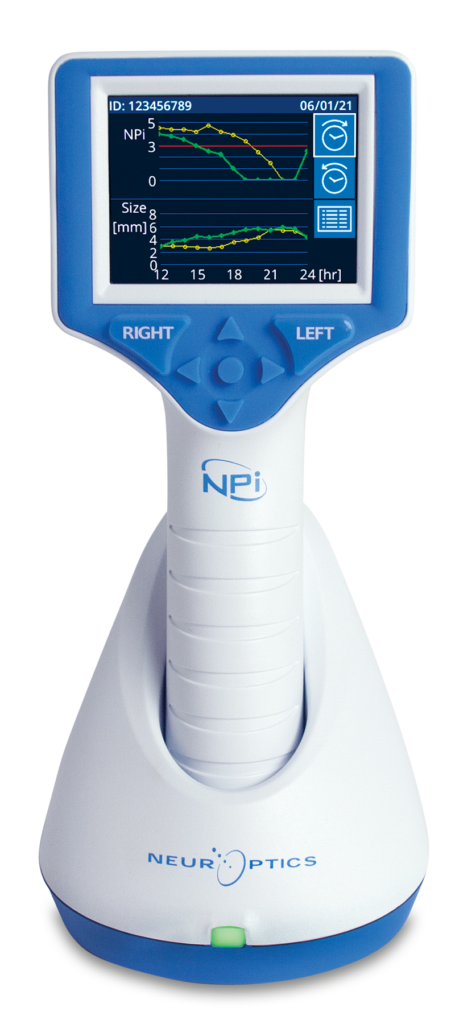
The NPi®-300 Pupillometer from NeurOptics allows easy automated and reproducible measurements of pupil size, symmetry, the pupillary light reflex, and reactivity. Using an algorithm developed and validated by NeurOptics, all measurement parameters are combined in the device to give the NPi®.
Because the entire neurological network is involved, the NPi® provides an objective and accurate record of overall pupil reactivity.
The Pupillometer is therefore an important component of multimodal neuromonitoring, allowing easy access to many other pupillary response parameters.
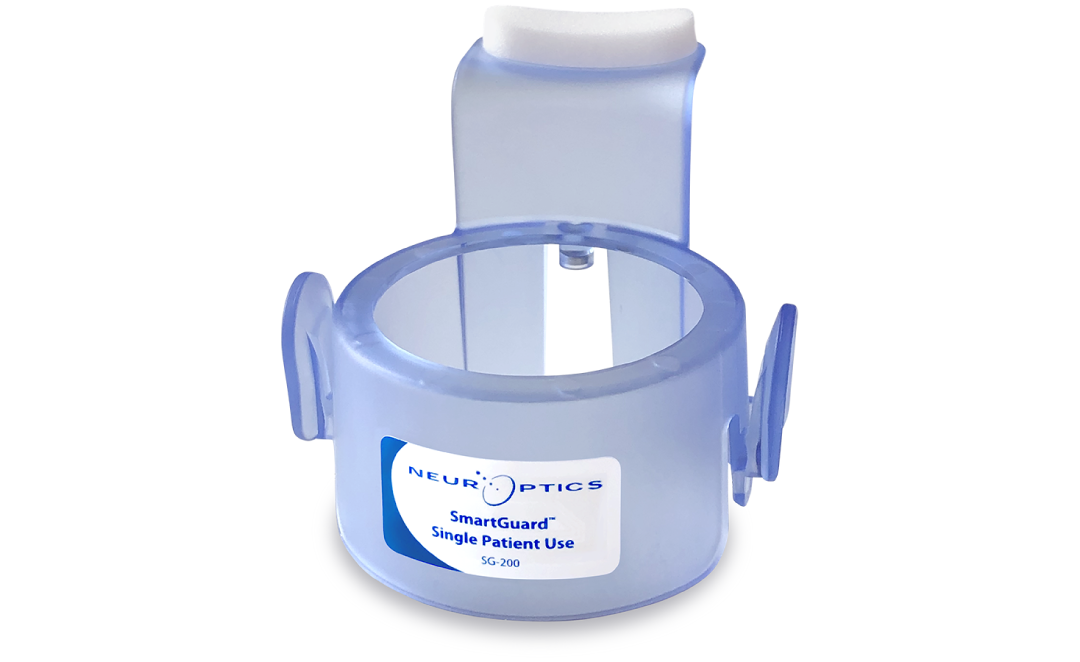
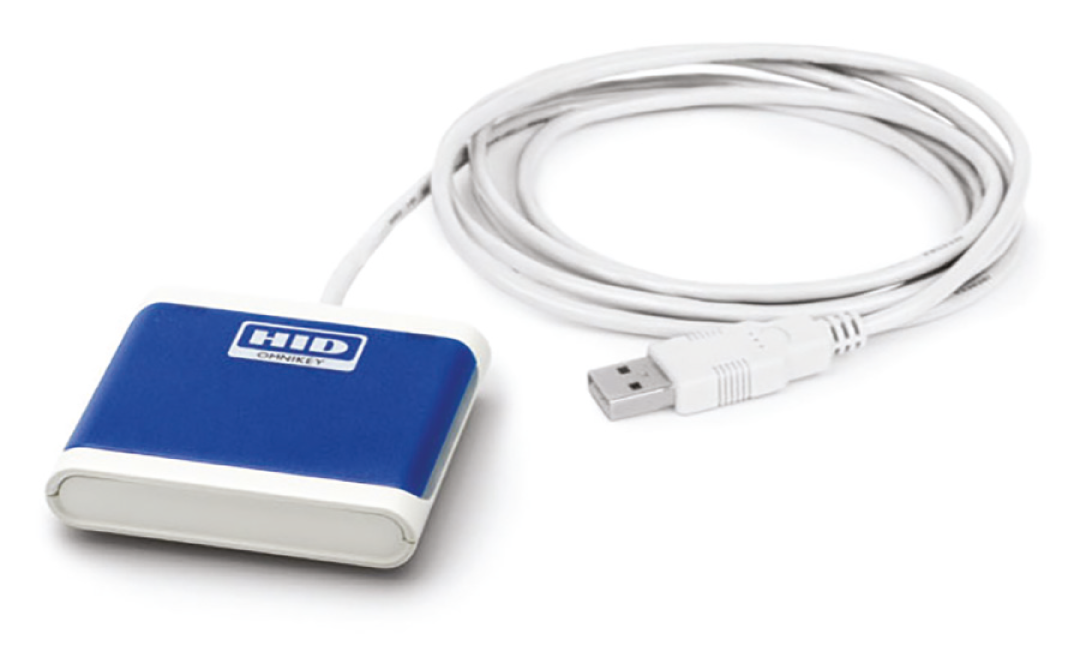
Successive NPi measurements enable any change in the neurological condition of a patient to be recorded quickly and reliably. Measurements taken for each pair of eyes are stored on a device called SmartGuard. They can be displayed as a trend by the Pupillometer itself and transferred to a PC using a reader called SmartGuard Reader.
With additional software, pupil measurements can also be transferred to the digital patient record in the PDMS.
The NPi® (Neurological Pupil index) developed by NeurOptics has already been used in numerous studies and publications that depend on reliable measurements. It has also been included in guidelines (AHA and ERC).
Indications for pupillometry include objective, reproducible, and documentable pupillary response measurements in patients with stroke, subarachnoid hemorrhage, or traumatic brain injury. It can also be used as a prognostic tool in resuscitated cardiac arrest patients and patients on ECMO.
NPi
The NPi is a numerical value calculated via an algorithm from all parameters of the pupillary reaction.
It is the only exact and objective measurement of pupillary reactivity in many common intensive care scenarios, particularly when using opioids, neuromuscular blocking agents (NMBA), and sedatives.
The measurement of individual pupillary parameters, including the percentage change in pupil size (% CH) and speed of pupillary constriction (CV), is significantly influenced by medications commonly administered in intensive care units and can lead to incorrect conclusions regarding neurological changes.
Published Results on Medication Influences
Pupillometry and NPi® (The Neurological Pupil Index™)
| Authors | Clinical Study | Finding | Medication |
|---|---|---|---|
| Kim, T et al. | Neurological Pupil Index as an Indicator of Neurological Worsening in Large Hemispheric Strokes (Neurocritical Care, Feb 24, 2020) | ...NPI values were not significantly influenced by sedative drugs, consistent with previous studies... | midazolam, remifentanil, dexmedetomidine, propofol |
| Miroz, JP et al. | Neurological Pupil Index for Early Prognostication After Venoarterial Extracorporeal Membrane Oxygenation (CHEST, Feb 7, 2020) | ...No significant correlation was found between NPI values and the average daily cumulative dose of sedatives... | midazolam, propofol, fentanyl |
| Oddo, M et al. | Quantitative versus standard pupillary light reflex for early prognostication in comatose cardiac arrest patients: an international prospective multicenter double-blinded study (Intensive Care Med, Nov 26, 2018) | ...In this setting, since it is not altered by sedatives/analgesics, NPI may confer a significant advantage over sPLR and provide accurate prognostic information, particularly in those patients with sedation or delayed awakening... | sedatives, analgesics |
| Larson, M et al. | Portable Infrared Puplilometry: A Review (Anesthesia-Analgesia, June 2015) | ...PLR is generated by smooth muscle and is unaffected by neuromuscular blocking drugs... | NMBA |
| McKay, R et al. | Detection of opioid effect with pupillometry (Autonomic Neuroscience: Basic & Clinical, Aug 2021) | ...Because our cases were titrated into the range of dangerous opioid toxicity and we observed no change in NPI, we conclude NPI changes cannot be attributed to opioid therapy... | remifentanil |
| Acharnallah, N et al. | Pupillary Light Reflex is Not Abolished by Epinephrine and Atropine Given During Advanced Cardiac Life Support in Patients Who Achieve Return of Spontaneous Circulation (J of Intensive Care Medicine, April 2021) | ...Epinephrine and atropine do not abolish the PLR in patients who achieve ROSC after in-hospital cardiac arrest. Lack of pupillary response in the post-arrest patient should not be attributed to these drugs... | epinephrine, atropine |
NPi-300 Pupillometer
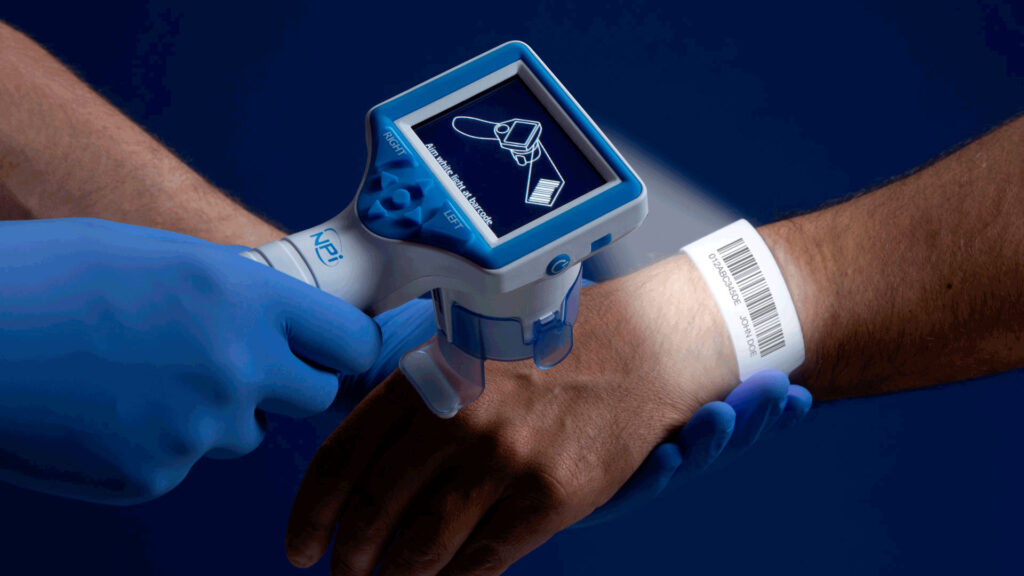
The NPi-300 Pupillometer is a reliable handheld device for objective measurement of pupil reactivity in intensive care and also has an integrated barcode reader for 1D and 2D codes.
-
Technical data:Infrared camera with light stimulus provided by LED lamps. Contactless inductive charging of the Li-ion battery.
-
MDD classification:Class 1 LED product in accordance with IEC 60825.
-
Measurement:
During the automated measurement, a total of 90 images are captured within 3 seconds. Measurement accuracy: +/- 0.03 mm.
The measurement result is displayed on the screen and saved on the SmartGuard. The data can be read out with a SmartGuard Reader and saved in a table as preparation for the PDMS.


Measurement Value* | Assessment |
3.0 – 4.9 | Normal / "Prompt" |
< 3.0 | Abnormal / "Delayed" |
0 | Non-reactive, not measurable, or atypical |